
Precision Agriculture Specialists – Learn What They Do
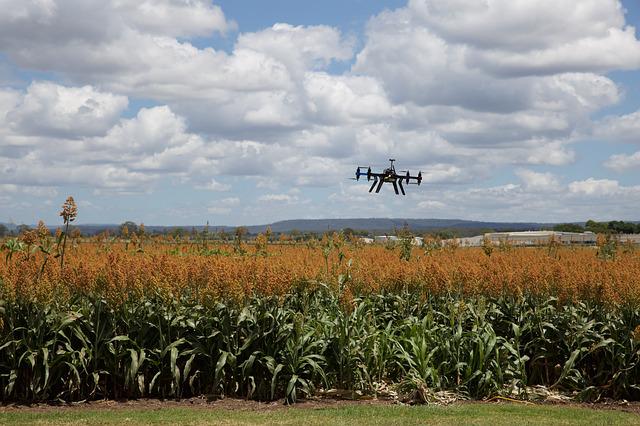
Precision agriculture specialists give farmers guidance and technical support to farmers using precision technologies.
This involves contouring differential GPS for map creation as well as for collecting soil samples.
What responsibilities do precision agriculture specialists have?
In addition to the above responsibilities, precision agriculture specialists may also have the following responsibilities:
- Use GPS data to map field variability
- Create maps for fungicide, seeding and fertility
- Sampling soil in the field
- Implementation of variable application of nutrients
- Providing technical support for precision systems
- Installing precision systems
- Implement nutrient management plans and record keeping
- Training other employees on precision equipment
How to become a precision agriculture specialist
A high school education with high school courses such as science, mathematics, and agriculture education.
A bachelor’s degree in Agriculture Business, Agriculture Engineering, or Agronomy.
For some positions, a CCA (Certified Crop Adviser certification) may also be required.
Work opportunities
Precision agriculture specialists have a variety of work opportunities:
- Ag retailers
- Cooperatives
- Precision equipment companies
Professional associations and organizations
Click here to view the latest precision farming specialist jobs listed
What a day in the life of a precision agriculture specialist could look like
A precision agriculture specialist is a skilled professional who uses technology to help farmers optimize their crop yields and reduce waste. Their job involves analyzing data and using precision agriculture tools to make informed decisions about planting, fertilizing, and harvesting crops. Here is what a typical day in the life of a precision agriculture specialist might look like.
Early Morning
The day for a precision agriculture specialist typically begins early in the morning, before sunrise. They may start by analyzing data collected from various sources, such as satellite imagery, soil sensors, and weather stations. This data can be used to make informed decisions about planting and fertilizing crops.
The specialist may use specialized software to create detailed maps of the farm and identify areas that may require additional attention, such as areas with poor soil quality or areas that are prone to disease.
Mid-Morning
As the day progresses, the specialist may move on to more specialized tasks, such as analyzing crop data and identifying trends. This may involve using specialized software to track crop growth, monitor yields, and identify areas for improvement.
The specialist may also work with farmers to develop customized crop plans that take into account soil quality, weather patterns, and other factors that can affect crop yields.
Afternoon
In the afternoon, the specialist may continue with the tasks from the morning or move on to new ones. They may be responsible for monitoring crops for pests and disease and recommending treatment options.
The specialist must also be familiar with a range of precision agriculture tools, such as drones and GPS-guided equipment, to help farmers optimize their operations.
Evening
As the day comes to a close, the specialist may finish up any tasks that need to be completed, such as generating reports or updating databases. They may also use this time to research new technologies and stay up-to-date on the latest trends in precision agriculture.
Being a precision agriculture specialist requires a high level of technical expertise and attention to detail. It is an essential role in the agricultural industry, helping farmers to optimize their crop yields and reduce waste. By working closely with farmers and using the latest technologies, a precision agriculture specialist can help to ensure a sustainable food supply for generations to come.