

Spring Farm Hiring: Why You’re Probably Starting Too Late (And How to Fix It)
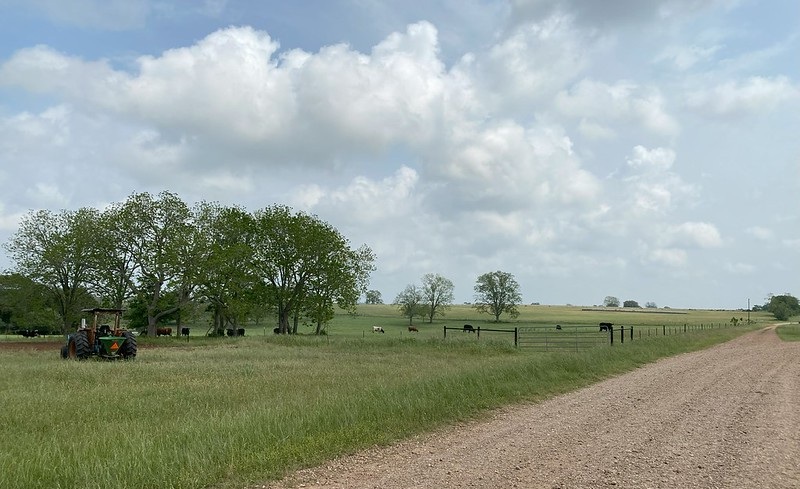
April is a beautiful time of year on a farm. The soil is warming up, equipment is getting its pre-season checkover, and planting schedules are taking shape. It’s also when a lot of farm owners suddenly realize they haven’t hired anyone yet.
If that’s you right now, you’re not alone. But let’s talk about getting ahead of this problem for the rest of this season and beyond.
The Hiring Window Is Shorter Than It Feels
Here’s something that catches a lot of farmers off guard: the workers you want have already been looking for a while.
Experienced farm hands, equipment operators, and seasonal workers tend to plan ahead. Many start browsing job postings in January and February, lining up their summer before the weather even hints at spring. By the time April rolls around, the best candidates have often already committed somewhere.
That doesn’t mean you can’t find good people now because you absolutely can. But it does mean that for next year, the calendar to keep in mind is:
- January–February: Post your spring and summer openings, even if start dates are months away
- March–April: Follow up with applicants and get commitments locked in
- May onward: Focus on onboarding, not still searching
Posting six to eight weeks before you actually need someone gives the process room to breathe. You have time to screen properly, do a phone call or two, and not feel desperate when you’re making a hiring decision.
What Workers Are Actually Looking For
Before you write your job posting, it helps to think about what’s going through a candidate’s head when they’re scrolling listings.
They’re not just looking for a paycheck. They want to know what their daily life will actually look like. Will they be doing the same task on repeat, or will the work be varied? What’s the housing situation? Is this a place where they’ll be treated like a person or just another set of hands?
The postings that get the most responses tend to answer these questions upfront rather than making applicants guess. A listing that says “competitive pay” tells someone almost nothing. A listing that says “$22/hour, housing included, primary duties are irrigation management and tractor operation with some livestock feeding mixed in” — that tells someone whether to apply.
A few things worth being specific about:
- Pay range. Transparency here consistently attracts more applicants and better ones. People who are serious about finding the right fit want to know before they invest time applying.
- Housing. If you offer it, say so prominently. For many agricultural workers, especially those who travel for seasonal work, this is one of the first things they look for.
- Hours and schedule. Including what a typical week looks like and being honest about what peak season looks like. It saves everyone time.
- Equipment. Mention what they’ll be operating. Someone with tractor experience will pay attention to that detail.
Don’t Overlook the “Wants to Learn” Candidate
There’s a tendency to hold out for someone who’s done the exact job before. For management roles and anything safety-critical, that caution makes sense. But for general farm labor and many seasonal positions, it can actually limit your options more than it helps.
Some of the most reliable farm workers out there didn’t grow up on farms. They came from construction, landscaping, warehousing, or just outdoor work in general. What they bring is physical endurance, mechanical intuition, and the kind of work ethic that isn’t easy to teach. Those qualities matter.
In your posting, being clear about what’s required versus what you can train on the job will open your applicant pool considerably. “Must have experience operating a tractor” is different from “tractor experience preferred, willing to train the right person.” That second version might get you someone who becomes one of your best long-term hires.
Where to Post
Getting your listing in front of the right people matters more than blasting it everywhere. Agriculture-specific job boards consistently outperform general boards like Indeed for farm positions because the people browsing them are already thinking about farm work, you’re not trying to convince someone to consider it.
FarmingWork.com is a solid starting point. Listings are free to post, and you can add a paid visibility upgrade if you want your posting featured more prominently. For most standard farm positions, a free listing with a well-written description will do the job. If you’re trying to fill something more specialized — a farm manager, an agronomist, a herdsman — it may be worth posting on a platform with a resume database like AgCareers.com or AgHires as well.
Posting on two or three boards doesn’t have to be complicated or expensive. Start free, see what comes in, and add paid options if you’re not getting the volume you need after a couple of weeks.
One Last Thing: Respond Quickly
This one sounds simple but makes a real difference. When someone applies to your posting, getting back to them within a day or two keeps them engaged. Farm workers looking for spring work are often applying to multiple places at once. If someone sends in an application and doesn’t hear anything for a week, they’ve probably already moved on.
A quick phone screen, even just ten minutes to confirm the basics can go a long way toward making someone feel like your operation is worth committing to.
Spring is short, and the right people are out there. Getting your posting up, making it specific, and being responsive will put you ahead of most of the competition without much effort at all.
Looking to hire for spring? Post your open positions free at FarmingWork.com no cost to list, with optional upgrades if you want extra visibility.
232 total views, 1 today